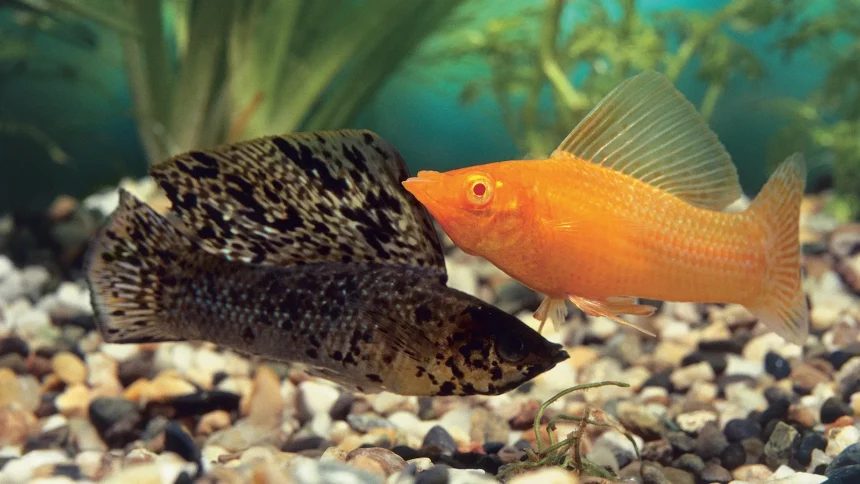
Scientists have uncovered how the Amazon molly, an all-female fish species, has survived for nearly 100,000 years without males, challenging long-standing evolutionary theories that suggested such species should quickly become extinct.
The Amazon molly reproduces through a rare process known as gynogenesis, in which females use sperm from closely related male fish only to activate egg development. The male’s genetic material is discarded, and the offspring are genetically identical daughters.


For decades, researchers believed that asexual species would eventually disappear because harmful genetic mutations accumulate over time without the genetic mixing provided by sexual reproduction.
However, a new study has revealed that the Amazon molly has developed an alternative genetic repair system known as gene conversion. This process allows the fish to repair damaged DNA by copying healthy genetic information from another matching gene, helping eliminate harmful mutations and maintain a healthy genome.
Scientists found that gene conversion occurs most frequently in the parts of the genome where damaging mutations are most likely to arise, enabling the species to remain genetically stable despite reproducing without sexual recombination.
Researchers believe the fish’s unusual evolutionary origin also contributed to its success. The Amazon molly emerged around 100,000 years ago through the hybridisation of two closely related molly species, providing it with high genetic diversity from the very beginning.
The findings challenge the long-held belief that sexual reproduction is the only effective way to preserve genetic health and suggest that nature may have evolved alternative strategies to prevent genetic decline.
Experts say the discovery could improve understanding of how organisms repair DNA and may eventually contribute to research on genetic disorders, ageing and diseases linked to harmful mutations, including cancer.
The study also raises new questions about the evolution of other long-lived asexual species and highlights the remarkable adaptability of life in overcoming biological challenges.(Agencies)