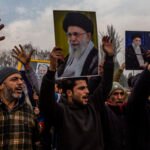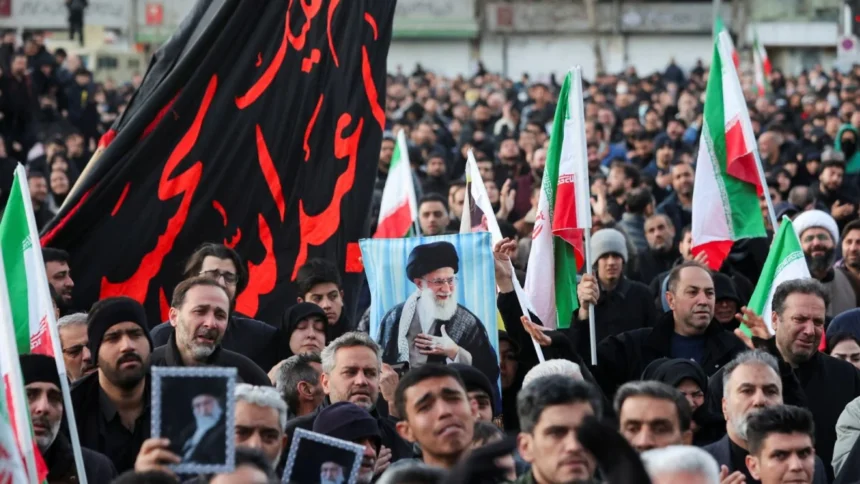
As tensions escalate across West Asia following the killing of Ayatollah Ali Khamenei in joint United States–Israel strikes, governments worldwide have begun taking clear positions. While some nations have openly expressed support for Iran, others have backed Israel, and several have called for restraint amid fears of wider regional instability.
Following Khamenei’s death in the coordinated military operations, Ayatollah Alireza Arafi was appointed as the jurist member of Iran’s interim Leadership Council, temporarily assuming the supreme leader’s responsibilities, according to Islamic Students News Agency (ISNA).
Countries Supporting Iran in the War
Russia strongly criticised the strikes on Iran. President Vladimir Putin condemned the killing of Ayatollah Ali Khamenei, calling it a “cynical murder,” and extended condolences to Tehran. He also praised Khamenei’s role in strengthening ties between Moscow and Tehran.
China expressed deep concern over the escalation. Its envoy to the United Nations urged all parties to abide by the UN Charter and oppose the use of force in international relations. Beijing emphasised respect for Iran’s sovereignty and territorial integrity, called for an immediate ceasefire, and pushed for dialogue to prevent further deterioration.
North Korea also condemned the U.S.–Israeli strikes, describing them as illegal aggression and a violation of national sovereignty.
Countries Taking a Neutral Stance
India has taken a balanced position. In its first official response, the Ministry of External Affairs expressed deep concern over the rapidly evolving situation in West Asia and the Gulf. New Delhi urged all sides to exercise restraint, avoid further escalation, and prioritise the safety of civilians.
India stressed that dialogue and diplomacy remain essential and underlined the importance of respecting the sovereignty and territorial integrity of all states. It also confirmed that Indian missions in the region are in contact with nationals and have issued advisories urging vigilance.
Pakistan criticised what it described as “unwarranted attacks” on Iran and called for an immediate halt to hostilities. The position was conveyed by Deputy Prime Minister and Foreign Minister Ishaq Dar during a conversation with his Iranian counterpart.
In Europe, France urged caution, warning its citizens in the region and prioritising the safety of its personnel and forces stationed in West Asia. Meanwhile, the European Union described the situation as “perilous,” stating that diplomatic efforts toward a negotiated settlement are ongoing. EU foreign policy chief Kaja Kallas called Khamenei’s death a defining moment in Iran’s history while reiterating concerns over Tehran’s missile and nuclear programmes.
As the crisis continues to unfold, the widening global divide highlights the high geopolitical stakes, with major powers aligning along strategic interests while others press for de-escalation and renewed diplomatic engagement. (Agency)