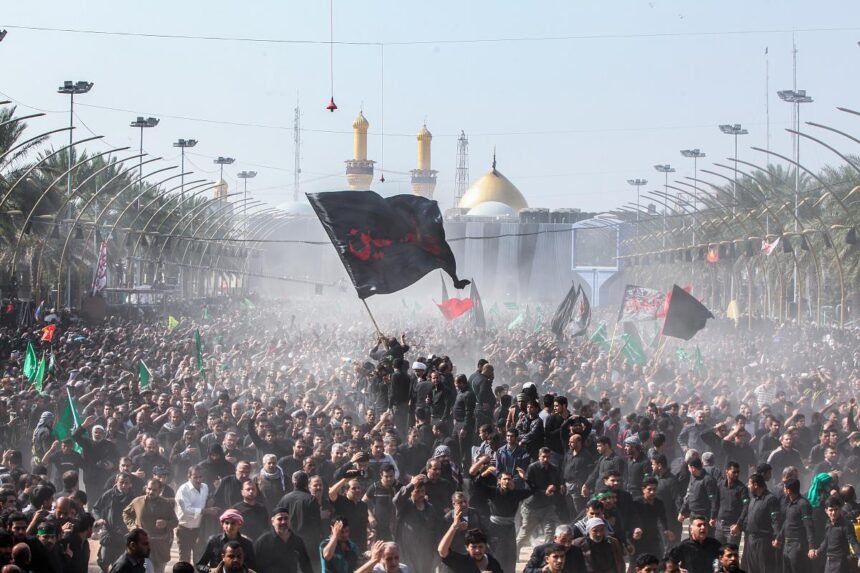
The story of Karbala is not confined to history but continues to offer timeless lessons on truth, sacrifice, courage, repentance, and humanity. The lives of Imam Hussain (AS), Hazrat Zainab (SA), Hurr ibn Yazid al-Riyahi, Umar ibn Sa’d, and Shimr represent five distinct moral paths that continue to shape human society across generations.
Imam Hussain (AS) stood firmly against oppression, choosing honour and justice over submission. His sacrifice remains a lasting symbol of courage, reminding humanity that principles are worth defending even at the greatest personal cost.


After the tragedy of Karbala, Hazrat Zainab (SA) ensured that the message of sacrifice was never forgotten. Despite immense grief and hardship, she preserved the truth through her words and resilience, proving that memory can outlive tyranny and injustice.
Hurr ibn Yazid al-Riyahi represents the power of repentance. Though he initially stood against Imam Hussain (AS), he recognized his mistake, chose the path of truth, and sacrificed his life. His journey demonstrates that sincere repentance and moral courage can redeem even the gravest errors.
In contrast, Umar ibn Sa’d symbolizes the consequences of placing worldly ambition above conscience. Despite recognizing the truth, he chose power and personal gain, becoming a lasting example of how compromise with injustice can define one’s legacy.
Shimr represents the dangers of hatred, cruelty, and the hardening of the human heart. His actions illustrate how unchecked ambition and resentment can destroy compassion and leave behind only violence and division.
The lessons of Karbala continue to resonate across time, urging every generation to choose dignity over humiliation, truth over falsehood, compassion over hatred, and justice over oppression. Its message remains universal, reminding humanity that every individual faces moral choices that ultimately shape both personal character and history.