Jammu, April 3:
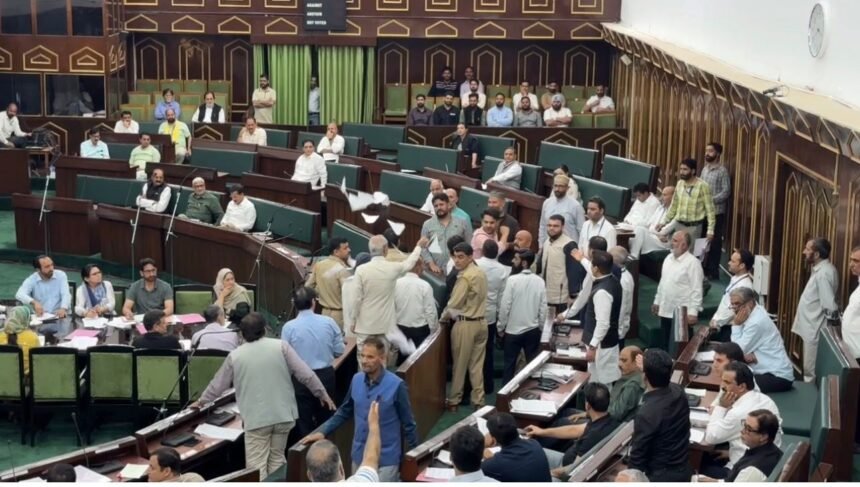
The Jammu & Kashmir Legislative Assembly is set to witness a crucial sitting on Saturday (April 4, 2026), with an agenda packed with legislative business, public importance issues, and detailed questioning of the government across multiple sectors.
As per the official list of business issued by the Assembly Secretariat , the session will commence at 10:00 AM and include discussions on pressing civic, infrastructure, healthcare, and governance-related concerns.

The Jammu & Kashmir Legislative Assembly is also set to deliberate on the J&K Private Universities Bill, 2026 in Saturday’s session, a key piece of legislation aimed at reshaping the higher education landscape in the Union Territory.
The bill, to be moved by Education Minister Sakeena Masood, seeks to regulate the establishment, functioning, and academic standards of private universities while ensuring safeguards for students and maintaining transparency in operations.
⸻
Key Features of the Bill
As per the official legislative agenda , the proposed law aims to:
• Establish a regulated framework for private universities in J&K
• Ensure quality education and academic accountability
• Introduce oversight mechanisms to prevent commercialization
• Protect student interests through regulatory safeguards
The move is being seen as a significant step toward attracting private investment in the education sector while maintaining institutional standards.
⸻
Why the Bill Matters for Local Students
The proposed legislation holds particular importance for students in Jammu & Kashmir:
• Expanded Access to Higher Education:
With limited seats in government institutions, private universities can help accommodate a growing student population.
• Reduced Out-Migration:
Thousands of students leave J&K every year for higher studies. The bill is expected to create local opportunities, reducing financial and social burden on families.
• Reservation & Inclusion Proposals:
Amendments suggest free quota seats for BPL and AAY students, ensuring inclusion of economically weaker sections.
• Employment Opportunities:
Proposals for domicile preference in faculty and non-teaching staff could generate jobs for local youth.
• Skill & Research Development:
Private institutions may bring modern courses, global collaborations, and research infrastructure, improving overall academic competitiveness.
⸻
Debate Over Safeguards and Local Rights
Several legislators have moved amendments seeking:
• Reservation of seats for economically weaker local students
• Mandatory employment of local domiciles in universities
• Greater financial transparency and audits
• Stronger regulatory checks to prevent profiteering
These proposals indicate concerns around ensuring that private universities do not become profit-driven entities at the cost of accessibility.
⸻
Political Context: PDP’s Earlier Proposal
The debate also comes against the backdrop of an earlier proposal raised by PDP legislator Wahid Para, who had advocated for a structured framework to expand higher education opportunities and address student out-migration.
However, his proposal—reportedly focusing on broader institutional reforms and safeguards—was not accepted by the government at the time, drawing criticism from the PDP, which argued that delays in policy decisions were impacting students.
The introduction of the current Private Universities Bill has revived that debate, with opposition parties likely to question whether the government has incorporated earlier suggestions or overlooked key concerns raised previously.
⸻
What to Expect in the Assembly
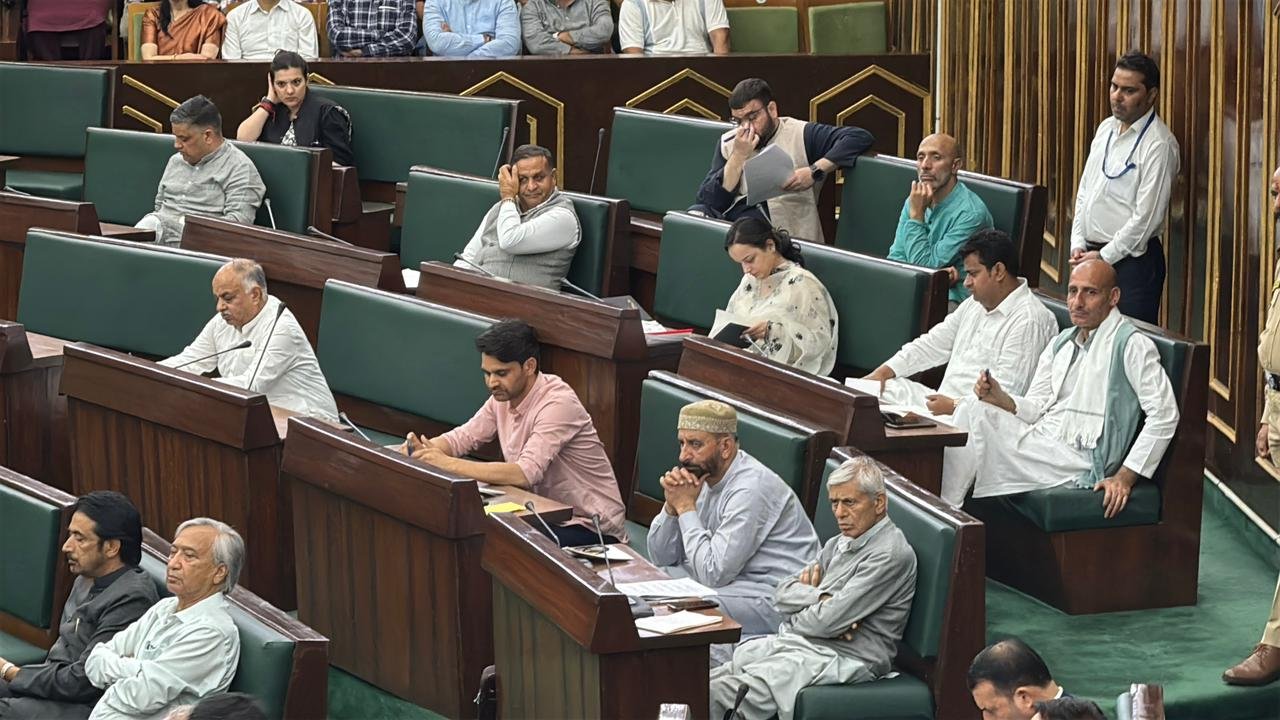
The bill is expected to trigger a detailed and possibly heated discussion, with:
• Treasury benches highlighting investment and development benefits
• Opposition raising concerns over privatization, affordability, and regulatory oversight
If passed, the legislation could mark a major shift in J&K’s higher education policy, opening doors for private participation while placing responsibility on the government to ensure equity and quality.
⸻
Conclusion
The J&K Private Universities Bill, 2026, is poised to become a landmark reform in the education sector, with far-reaching implications for students, educators, and the broader economy. Its success, however, will depend on how effectively it balances growth, regulation, and inclusivity.
Calling Attention Motions on Key Public Issues
Several legislators are expected to raise urgent matters affecting the public:
• Justice Hasnain Masoodi will highlight extensive damage to saffron fields in Pampore and adjoining areas due to porcupine and monkey menace, demanding immediate intervention.
• Salman Ali Sagar will draw attention to the non-functional Mini Maternity & Child Care Hospital at Zakoora, despite significant public investment.
• Devyani Rana is set to raise the issue of increasing theft of transformers and PHE equipment, causing financial losses and public inconvenience.
• Sheikh Khursheed will flag acute drinking water shortages in Handwara areas due to disconnection of supply schemes over unpaid dues.
• Irshad Rasool Kar will highlight waterlogging and drainage failures in Sopore town following frequent rains.
⸻
Major Bills for Consideration and Passage
Two significant bills are slated to be introduced and passed:
1. Decriminalisation & Ease of Doing Business Bill (L.A. Bill No. 07 of 2026)
Moved by Chief Minister Omar Abdullah, the bill seeks to:
• Decriminalize minor offences
• Rationalize penalties
• Improve ease of living and doing business
• Repeal outdated laws
Debate on Legislative Dignity
Senior legislator Pawan Kumar Gupta will initiate a discussion on:
• Privileges and dignity of the House
• Protocols concerning elected representatives
⸻
Amendments Spark Policy Debate
Multiple amendments have been proposed to the bills, including:
• Harsher penalties and imprisonment provisions under municipal and heritage laws
• Revised fines for violations under Handicrafts and Brick Kiln Acts
• Reservation proposals in private universities for BPL and AAY students
• Demand for local domicile preference in faculty and staff recruitment
• Proposal for audit by Comptroller and Auditor General (CAG)
These amendments indicate potential intense debate over governance, accountability, and local rights.
⸻
Wide-Ranging Questions to Government
The Assembly will also take up 32 starred questions for oral answers and 35 unstarred questions for written replies covering:
• Sports infrastructure development
• Upgradation of schools in rural and tribal areas
• Irrigation and water supply schemes
• Healthcare infrastructure gaps
• Power supply and sub-stations
• Employment and overseas job opportunities
• Road connectivity and transport services
• Agriculture, fisheries, and farmer welfare
• Land classification discrepancies affecting compensation
Notably, questions on:
• Sawalkote Hydroelectric Project
• PM Kisan Samman Nidhi inclusion
• National Law University establishment
• Unemployment and overseas job avenues
are expected to generate significant discussion.
⸻
Focus on Governance and Public Welfare
The session reflects a strong focus on:
• Infrastructure gaps
• Rural distress
• Employment generation
• Education and healthcare reforms
The proposed bills, combined with sharp opposition questioning and amendments, are likely to shape a highly engaging and politically significant session of the Assembly.
With critical legislation on the table and a wide spectrum of public grievances being raised, Saturday’s Assembly proceedings are expected to play a decisive role in policy direction and governance priorities in Jammu & Kashmir.