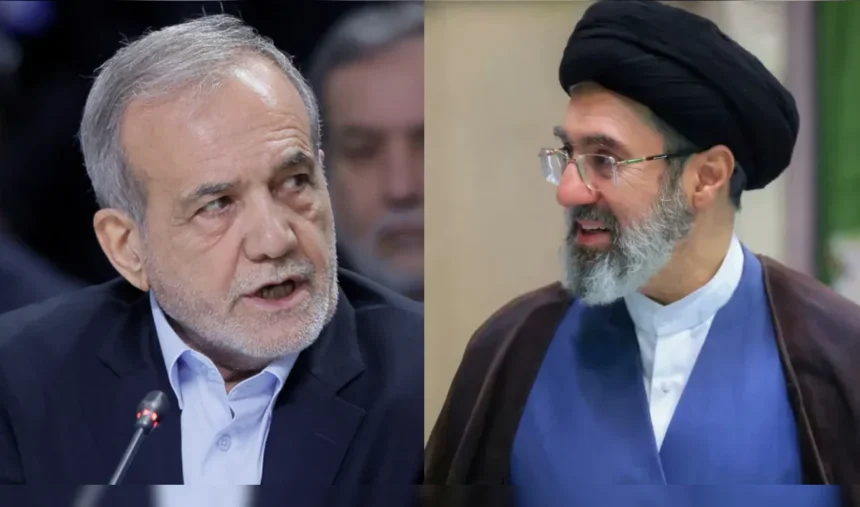
Tehran/Washington, June 19: Iran’s Supreme Leader Ayatollah Mojtaba Khamenei has confirmed that he approved the recently signed framework agreement with the United States despite initially holding reservations about the deal.
In a message broadcast on Iranian state television, Khamenei said he granted approval only after receiving assurances from Iranian President Masoud Pezeshkian and the Supreme National Security Council that the agreement would safeguard the rights of the Iranian people and the interests of the Resistance Front.

Khamenei also claimed that US President Donald Trump used “all kinds of leverage” to secure the agreement, arguing that Washington pushed for the deal out of desperation.
The Supreme Leader stressed that future direct negotiations between Tehran and Washington should not be interpreted as Iran accepting the US position. He added that Iranian negotiators had assured him they would reject any excessive demands made by the American side.
Meanwhile, US Vice President JD Vance strongly defended the agreement, saying Iran would receive the benefits of the deal only if it fully complied with its commitments during the 60-day implementation period that began after the signing of the Memorandum of Understanding (MoU).
Speaking at the White House, Vance said the focus would remain on verification rather than promises, adding that Iran must demonstrate compliance before receiving sanctions relief and other benefits.
Vance also announced plans to travel to Switzerland for technical negotiations aimed at converting the framework agreement into a comprehensive long-term accord.
The framework deal, signed by Donald Trump and Masoud Pezeshkian, seeks to reduce regional tensions, reopen the Strait of Hormuz, and pave the way for negotiations on sanctions, security arrangements, and Iran’s nuclear programme.