Jammu/ New Delhi, April 17, 2026:
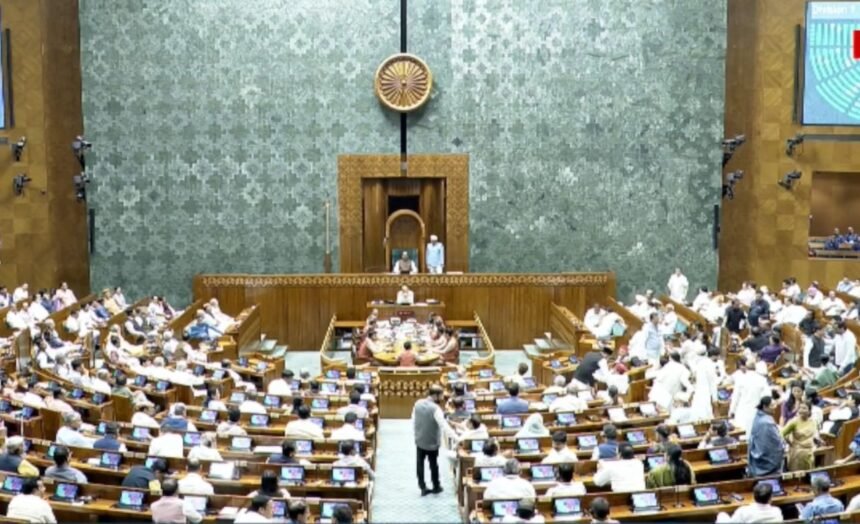
In a significant political development, the Constitutional Amendment Bill related to the delimitation exercise was defeated in the Lok Sabha after it failed to secure the constitutionally mandated special majority.

According to voting figures, 278 Members of Parliament voted in favour, while 211 voted against, taking the total number of votes cast to 489. However, as Constitutional Amendment Bills require a higher threshold than a simple majority, the proposal did not pass.
A key factor behind the bill’s defeat was the absence and abstention of around 54 MPs, which substantially impacted the final outcome. The reduced effective strength of the House made it difficult for the government to reach the required numbers.
Role of Abstentions and Absentees
The abstentions and absences came from a mix of parties and individual members. Several regional parties and some MPs chose not to participate in the voting, reflecting either a neutral stance or strategic caution on a politically sensitive issue.
In some cases, internal differences within parties and evolving political calculations were cited as reasons for members staying away. Analysts note that such tactical abstentions can indirectly influence outcomes in cases requiring a special majority, as they lower the effective vote count without formally opposing the bill.
Observers believe that had these members been present and voted, the result could have shifted significantly, underlining the critical role of attendance and floor coordination in high-stakes parliamentary decisions.
Rahul Gandhi’s Reaction
Leader of Opposition Rahul Gandhi sharply reacted to the development, accusing the government of attempting to undermine constitutional principles. In a post on X, he said:
“The amendment bill has fallen. They used an unconstitutional trick in the name of women to break the Constitution. India has seen it. INDIA has stopped it. Hail the Constitution.”
Political Significance
The defeat of the bill marks a notable setback for the government’s legislative agenda and highlights the challenges of securing special majorities in Parliament. It also underscores how abstentions and absences can become decisive factors in determining the fate of crucial legislation.
The outcome is being seen as a moment of consolidation for the Opposition, while also reflecting the complex political dynamics surrounding the proposed delimitation exercise and its broader constitutional implications.