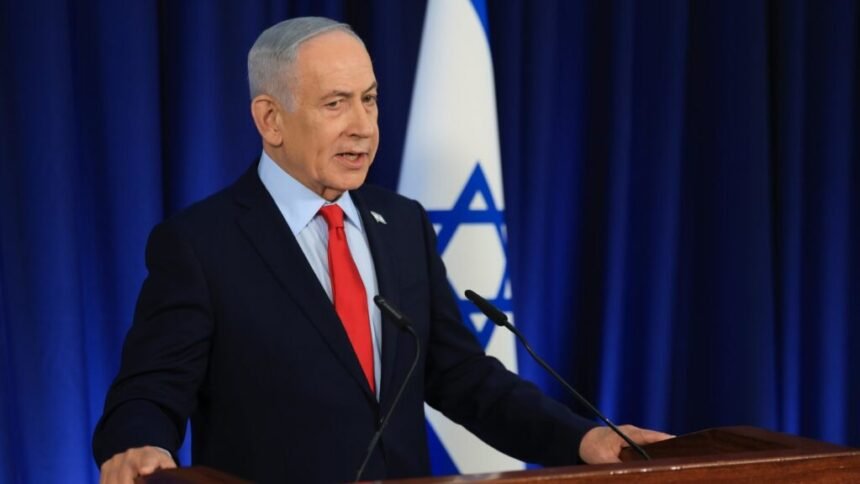
Netanyahu Says Israel Will Halt Attacks on Iranian Gas Field at Trump’s Request
Jerusalem, Mar 20, 2026: Israeli Prime Minister Benjamin Netanyahu announced that, at the request of US President Donald Trump, Israel will refrain from any further attacks on the Iranian South Pars gas field.


The decision comes amid escalating Iranian strikes on oil and gas facilities across the Gulf, raising tensions in the region and rattling global energy markets. These attacks, retaliatory measures for Israel’s earlier strikes on a key Iranian gas field, have driven fuel prices sharply higher and risk involving Iran’s Arab neighbors.
Rising Tensions in the Gulf
Iran’s attacks targeted multiple oil and gas facilities in the region, including refineries in Saudi Arabia, Kuwait, and Abu Dhabi, as well as Qatar’s Ras Laffan liquefied natural gas facility. A vessel was set ablaze off the UAE coast, and another damaged near Qatar. A Saudi refinery on the Red Sea was also hit.
These strikes come as global energy supplies remain strained, particularly due to Iran’s control of the strategic Strait of Hormuz, through which roughly a fifth of the world’s oil is transported. Brent crude briefly surged above $119 a barrel, a more than 60% increase since the conflict began. European natural gas benchmarks have also doubled in price over the past month.
Netanyahu on Iran’s Capabilities
Netanyahu claimed that Israeli and US airstrikes since Feb. 28 have severely degraded Iran’s military capabilities, leaving the country unable to enrich uranium or develop ballistic missiles, though he provided no evidence. Despite this, Iran — now led by the son of the supreme leader killed earlier in the war — remains capable of missile and drone attacks that threaten Gulf Arab states and the global economy.
Waves of Iranian attacks on Israel have sent millions of people to shelters, causing property damage but few casualties. Israeli Energy Minister Eli Cohen reported minor damage to the electricity grid and an oil refinery in Haifa.
US Involvement
The Trump administration has cited multiple objectives in the conflict, including degrading Iran’s nuclear program and missile capabilities. US forces continue to strike deeper into Iranian territory, targeting weapon-storage facilities and Iranian boats in the Strait of Hormuz. US defense officials indicated that more Iranian leaders could be targeted.
Casualties and Global Impact
The ongoing conflict has caused extensive casualties:
-
Over 1,300 deaths in Iran.
-
More than 1,000 killed in Lebanon due to Israeli strikes on Hezbollah, displacing roughly 1 million people.
-
15 deaths in Israel from Iranian missile fire.
-
13 US military personnel killed.
-
Four deaths in the occupied West Bank from Iranian missile strikes.
Iran condemned the Israeli attack on South Pars, warning of “uncontrollable consequences” that could affect the entire world. In response, President Trump reaffirmed that Israel would not target the field again, but warned of US retaliation if Iranian attacks on Qatar’s energy infrastructure continued. (Agency)