By Dr. Lovely Sharma

Introduction
In an era of rising household expenses and growing environmental concerns, the efficient use of cooking fuel and edible oil has become increasingly important. These essential kitchen resources directly impact family budgets, public health, and environmental sustainability. By adopting simple and practical habits, households can significantly reduce their consumption without compromising the taste or nutritional value of food.
Why Fuel and Oil Conservation Matters
Cooking fuel and edible oil are among the most frequently used resources in every home. Excessive consumption not only increases monthly expenses but can also contribute to environmental degradation and health-related issues. Conserving these resources is therefore both an economic necessity and a responsible lifestyle choice.

Practical Ways to Reduce Cooking Fuel Consumption
Plan Meals Efficiently
Proper meal planning helps avoid repeated heating and unnecessary cooking, reducing overall fuel usage.
Use Pressure Cookers
Pressure cookers cook food faster by retaining steam and heat, making them one of the most effective fuel-saving kitchen tools.
Cook with Covered Utensils
Keeping pots covered prevents heat loss and allows food to cook more quickly and efficiently.
Soak Grains and Pulses Before Cooking
Soaking rice, lentils, beans, and chickpeas softens them and reduces cooking time, resulting in lower fuel consumption.
Utilize Residual Heat
Many foods continue cooking after the stove is turned off. Taking advantage of retained heat can help save fuel.
Maintain Cooking Equipment
Regular cleaning and maintenance of gas burners ensure efficient combustion and optimal fuel utilization.
Effective Ways to Reduce Edible Oil Consumption
Choose Healthier Cooking Methods
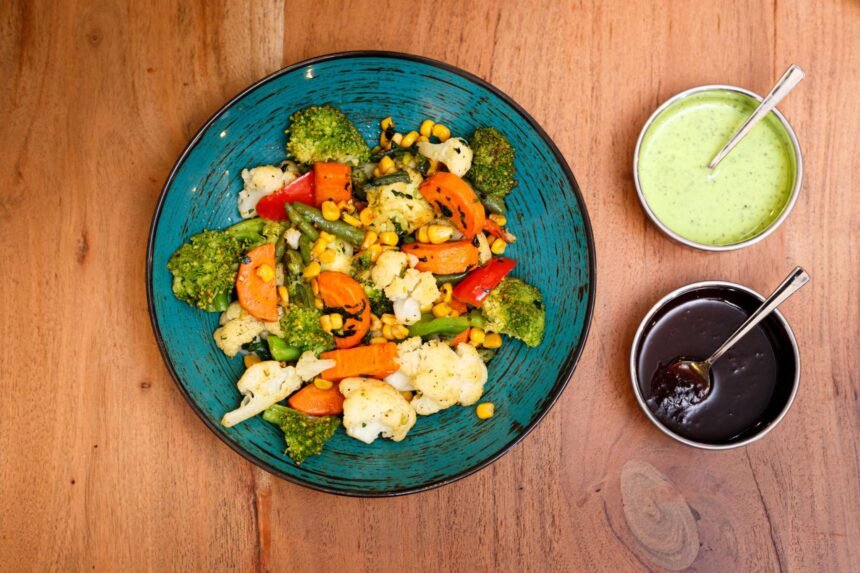
Steaming, boiling, roasting, and baking require little or no oil while preserving essential nutrients.
Use Non-Stick Cookware
Non-stick utensils reduce the amount of oil needed for cooking and make meals healthier.
Measure Oil Before Use
Using a spoon to measure oil helps control portions and prevents excessive usage.
Limit Deep-Fried Foods
Reducing the frequency of deep-fried meals can significantly cut oil consumption and improve overall health.
Increase Vegetable Intake
Vegetables often release natural moisture during cooking, reducing the need for additional oil.
Enhance Flavour Naturally
Herbs, spices, lemon juice, and other natural seasonings can add flavour without increasing oil content.
Avoid Reusing Oil Repeatedly
Repeatedly heated oil can deteriorate in quality and may pose health risks. Fresh oil should be used in moderation.
Health Benefits of Reducing Oil Consumption
A balanced intake of edible oil contributes to better heart health, helps maintain a healthy body weight, and lowers the risk of lifestyle-related diseases. Reducing excessive oil consumption can therefore play a key role in long-term well-being.
Environmental and Economic Advantages
Using less cooking fuel conserves valuable natural resources and reduces environmental pollution. At the same time, households benefit from lower energy costs and improved resource management.
Conclusion
Conserving cooking fuel and edible oil is not merely about saving money; it is about building healthier habits and promoting sustainable living. Small changes in daily cooking practices can create meaningful long-term benefits for families, communities, and the environment. Every kitchen has the potential to become a place where responsible choices contribute to a healthier and more sustainable future.