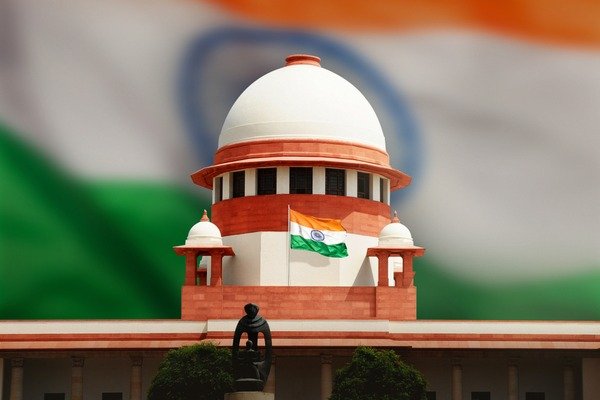
New Delhi, May 18: The Supreme Court of India on Monday made significant observations on bail jurisprudence under the Unlawful Activities (Prevention) Act (UAPA), stating that the grant of bail should remain the norm even in cases registered under stringent anti-terror provisions.
A bench comprising Justice BV Nagarathna and Justice Ujjal Bhuyan observed that constitutional protections under Articles 21 and 22 cannot be curtailed by the stringent provisions of UAPA. The Court reiterated that the principle of “bail is the rule and jail is the exception” applies even in cases under anti-terror laws.


The bench further noted that Section 43D(5) of UAPA must be interpreted in harmony with constitutional safeguards and cannot be used to defeat the right to a speedy trial. It also underlined that the earlier ruling in the K.A. Najeeb case—recognising prolonged incarceration as a valid ground for bail—cannot be diluted by smaller benches.
The observations assume importance in the context of earlier bail denials to activists Umar Khalid and Sharjeel Imam in the alleged conspiracy case linked to the 2020 Delhi riots, while relief was granted to some co-accused in the same matter.
Legal experts say the remarks could have wider implications on bail jurisprudence in cases under special laws like UAPA, particularly where undertrial detention continues for extended periods due to delays in trial proceedings.