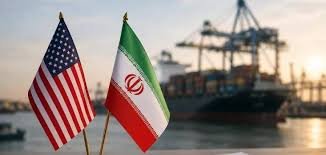
Recent high-level engagement between the United States and Iran in Switzerland has offered a temporary sense of relief to a world already burdened by geopolitical and economic instability, even though it falls short of a formal peace agreement.
The marathon talks, reportedly lasting around 18 hours at Lake Lucerne, are seen as a preliminary step rather than a final settlement. While they have not produced a peace treaty, they have opened channels for continued dialogue and raised hopes of preventing immediate escalation for the next phase of negotiations.


According to US officials, including Vice President JD Vance, the discussions have laid the groundwork for a structured diplomatic process involving committees, direct communication channels, and working groups focused on nuclear issues and sanctions.
A key concern highlighted in the talks is the strategic importance of the Strait of Hormuz, a critical global energy route through which a significant portion of the world’s oil and gas supply passes. Disruptions in the region have already contributed to volatility in global energy prices, underscoring the urgency of maintaining stability.
The editorial notes that the creation of communication mechanisms to ensure safe maritime passage is a crucial step toward reducing economic risks associated with regional conflict.
Developments in Lebanon, including efforts to establish de-escalation mechanisms, have also shown early signs of reducing tensions, though the situation remains fragile.
On the nuclear front, Iran’s willingness to allow renewed inspections by the International Atomic Energy Agency (IAEA) is described as a significant but cautious concession. Key issues such as uranium stockpiles, verification mechanisms and sanctions relief remain unresolved and are expected to dominate further negotiations.
While the timeline for progress remains tight and uncertain, the engagement marks a shift toward diplomacy after prolonged tension. The editorial emphasises that sustained dialogue is essential to avoid another prolonged period of instability in the Middle East, which would have serious consequences for the global economy.
It concludes that although the current breakthrough is limited, it represents an important foundation for future negotiations that must now be carefully built upon by all stakeholders.