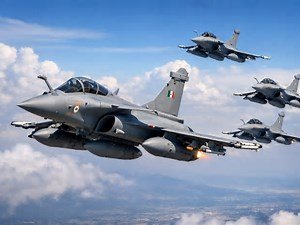
Pakistan’s repeated claims that India lost multiple Rafale fighter jets during Operation Sindoor have once again been contradicted by official Indian Air Force (IAF) documentation, which confirms that all 36 aircraft in the fleet remain fully operational.
An Air Headquarters Request for Proposal (RFP), issued in June and accessed by India Today, seeks bridge support for all 36 Rafale fighter jets currently in service with the IAF. The tender covers maintenance, logistics and technical assistance for a five-month period, ensuring uninterrupted operational readiness until a long-term support contract is finalised.

The document aligns with India’s original procurement of 36 Rafale jets under the 2016 government-to-government agreement with France, indirectly reinforcing that no aircraft have been lost from the fleet.
The RFP also outlines an estimated 2,250 flying hours during the support period and is intended to maintain full operational capability of the fleet beyond September 2026.
Pakistan had repeatedly claimed that several Indian Rafale jets were shot down during Operation Sindoor, a military response to the Pahalgam terror attack. India has consistently rejected these claims, calling them part of a coordinated misinformation campaign.
Earlier visual evidence, including photographs and operational records of Rafale jets allegedly “destroyed” in Pakistani social media posts, also disproved those assertions as the aircraft were later seen in active service.
Indian defence officials have maintained that the Rafale fleet performed as intended during the operation and sustained no combat losses.
Meanwhile, India is reportedly advancing discussions for the procurement of 114 additional Rafale jets under the Multi-Role Fighter Aircraft (MRFA) programme, with a focus on co-development and increased indigenous manufacturing under the Make in India initiative.