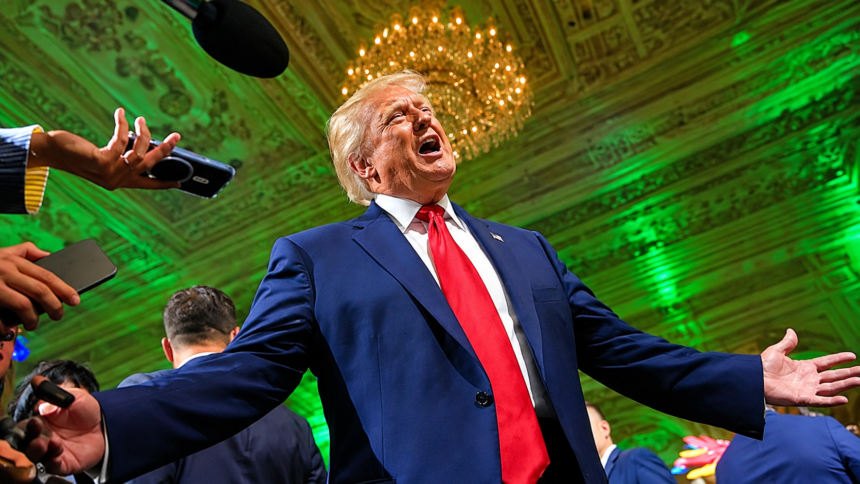
WASHINGTON: The United States is preparing for its 2026 midterm elections, scheduled for November 3, in a crucial political contest that could reshape the balance of power in Washington and determine how much freedom President Donald Trump has to pursue his agenda during the remaining two years of his term.
Unlike presidential elections, midterms do not decide who occupies the White House. Instead, voters elect members of Congress, including all 435 members of the House of Representatives and 35 senators. Several states will also hold gubernatorial and legislative elections.


The outcome could determine whether Republicans retain control of Congress or Democrats gain the power to challenge the Trump administration through legislative oversight, investigations and control of congressional committees.
How Does the American Political System Work?
The American political system is based on the US Constitution and the principle of separation of powers. Government authority is divided among three branches.
1. The Executive Branch
The President heads the executive branch and serves a four-year term. The President implements federal laws, directs foreign policy, serves as commander-in-chief of the armed forces and appoints senior government officials.
Donald Trump is currently serving as the US President.
2. The Legislative Branch
The legislative branch is Congress, which consists of two chambers:
-
House of Representatives: Has 435 voting members elected every two years. Representation is based on the population of each state.
-
Senate: Has 100 members, with two senators representing each state. Senators serve six-year terms, with roughly one-third of seats contested every two years.
Congress passes federal legislation, approves government spending, oversees the executive branch and plays a major role in confirming presidential appointments.
3. The Judicial Branch
The judicial branch is headed by the Supreme Court of the United States. It interprets the Constitution, examines the legality of government actions and can strike down laws or executive actions that violate the Constitution.
This system of checks and balances is designed to prevent any single branch of government from exercising unchecked power.
What Happens in the 2026 Midterm Elections?
Americans will vote on November 3, 2026, to elect:
-
All 435 voting members of the House of Representatives.
-
35 members of the Senate, including special elections.
-
Governors in 36 states.
-
Numerous state legislators and local representatives.
The newly elected Congress will begin its term in January 2027.
Why Are These Elections Important for Donald Trump?
Republicans currently hold narrow majorities in both chambers of Congress.
Democrats need a net gain of four seats in the House and four seats in the Senate to take control of both chambers.
If Republicans retain their majorities, Trump will have greater support in Congress to advance his legislative priorities.
However, if Democrats capture either chamber, they could gain significant powers to scrutinise the administration, conduct investigations, influence federal spending and block or delay legislative proposals.
A Democratic-controlled Senate could also influence the confirmation of presidential nominees, including senior government officials and judicial appointments.
Importantly, losing congressional control would not automatically remove Trump from the presidency.
Major Issues Shaping the Election
The 2026 midterm campaign is being shaped by several major issues:
-
Cost of living: Inflation, food prices, housing costs, healthcare expenses and fuel prices are major voter concerns.
-
Immigration: Border security, deportations and the role of federal immigration agencies remain contentious issues.
-
Trump’s leadership: The election is also being viewed as a public assessment of Trump’s presidency and policies.
-
Healthcare: Government healthcare spending and access to medical services have become important campaign issues.
-
Foreign policy: America’s international engagements and military involvement, particularly the conflict involving Iran, are influencing political debate.
According to Reuters’ October 20 election analysis, affordability and immigration are among the central issues shaping the contest.
Could Democrats Regain Control of Congress?
Several election forecasts have pointed towards potential Democratic gains, particularly in the House of Representatives. However, the Senate contest remains competitive.
Historically, the party occupying the White House often loses congressional seats in midterm elections. The 2026 contest is therefore being closely watched as a test of Trump’s political standing and the Republican Party’s ability to maintain its congressional majorities.
The results will not change the President immediately, but they could significantly influence legislation, government oversight and the direction of American domestic and foreign policy until the next presidential election in 2028.