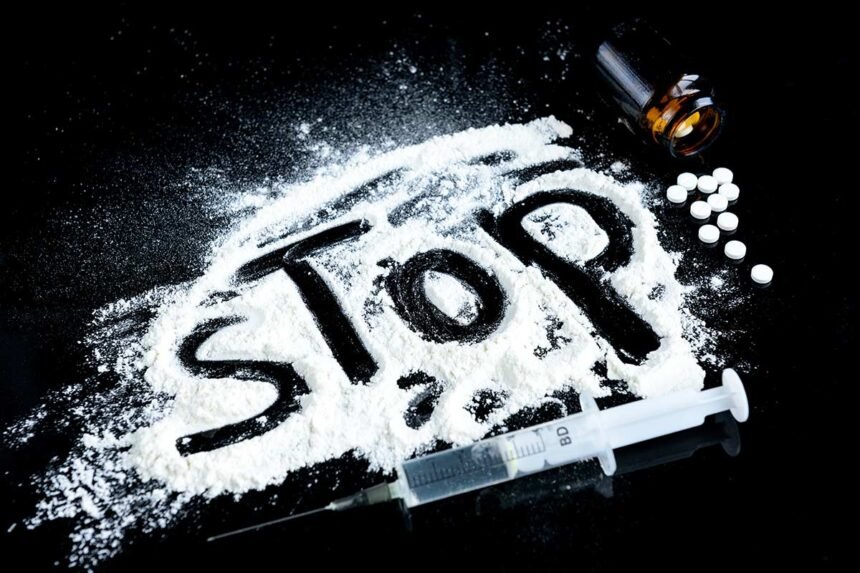
Srinagar, Feb 19: The Government on Thursday informed the Legislative Assembly that nearly 70,000 people—mostly youth—are affected by substance abuse in Kashmir, with around 50,000 reportedly using heroin, primarily through intravenous means.
Responding to a question by MLA Javid Riyaz, the Health & Medical Education Department said Jammu & Kashmir, like several other regions, is grappling with the growing menace of narcotic drugs and psychotropic substances, posing serious social and public health challenges.
Citing a 2022 joint survey conducted by the Health and Social Welfare Departments across 10 districts of Kashmir, the government said approximately 70,000 individuals were found to be involved in substance use.
To combat the crisis, authorities have adopted a multi-pronged approach that includes awareness drives, preventive measures, stricter enforcement, and the expansion of treatment and rehabilitation facilities. A network of de-addiction centres has been established across the Union Territory in District Hospitals, Government Medical Colleges, and police-run facilities. So far, about 69,000 patients have received treatment and rehabilitation services.
Free services such as OPD/IPD care, emergency treatment, and Opioid Substitution Therapy (OST) are being provided through Addiction Treatment Facilities (ATFs). Currently, 1,864 clients are registered, with 358 active beneficiaries undergoing treatment.
The government also highlighted the operationalisation of Mental Health and Addiction Medicine Clinics and awareness campaigns under various national programmes, including NHM, NMHP, NAPDDR, and the Nasha Mukt Bharat Abhiyan, targeting schools, colleges, and communities.
It added that the Drug Control Organisation is enforcing provisions of the Drugs & Cosmetics Act, 1940, and has conducted 518 awareness programmes during 2025–26 (till December). Helpline 104 has been publicised to provide immediate counselling and assistance.
Reaffirming its commitment, the government said de-addiction counselling and rehabilitation infrastructure is being strengthened, especially in rural and vulnerable areas, with expanded services at IMHANS Kashmir and Government Medical Colleges, alongside the establishment of dedicated inpatient facilities. (Agencies)