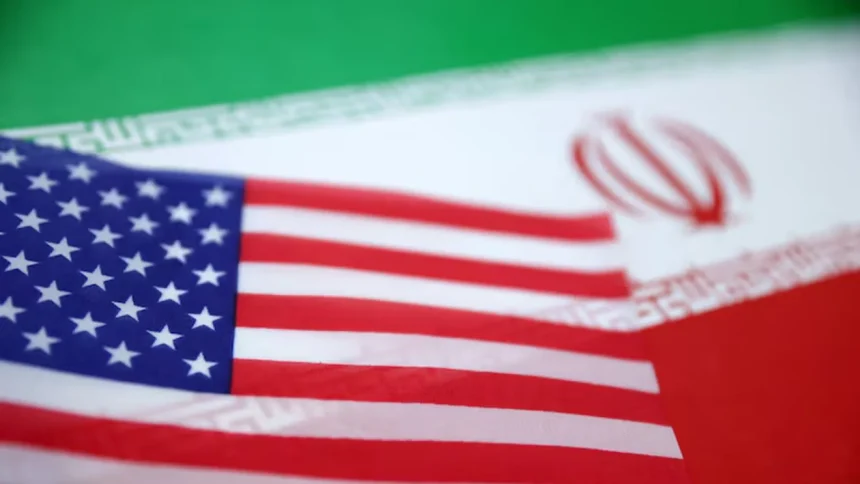
The peace agreement between the United States and Iran is expected to provide significant economic relief to India by stabilising global energy markets, lowering crude oil prices and improving trade across West Asia. The memorandum of understanding, announced on June 15 and signed in Geneva on June 19, has brought an end to a 107-day conflict that had disrupted global supply chains and triggered uncertainty in the region.
India, which imports more than 85 per cent of its crude oil requirements, stands to benefit greatly from the restoration of peace. The country depends heavily on energy shipments passing through the Strait of Hormuz, one of the world’s busiest oil transit routes. Any disruption in this strategic waterway quickly impacts fuel prices, inflation and India’s import bill.

With tensions easing, shipping activity through the Strait of Hormuz is expected to normalise, reducing freight and insurance costs while ensuring uninterrupted energy supplies. The development is also likely to support the proposed India-Middle East-Europe Economic Corridor (IMEC), aimed at strengthening trade connectivity between India, the Gulf region and Europe.
During the conflict, cargo movement through the Strait of Hormuz was severely affected, leading to a spike in global crude oil prices. The disruption impacted India’s trade with West Asian nations, including the Gulf Cooperation Council (GCC) countries, Iran, Iraq, Jordan, Lebanon, Syria and Yemen.
India exports engineering goods, refined petroleum products, agricultural commodities, pharmaceuticals, textiles, chemicals, machinery and gems and jewellery to these countries. In return, it imports crude oil, liquefied natural gas (LNG), liquefied petroleum gas (LPG), petrochemicals, fertilisers, plastics, aluminium and other essential raw materials.
The conflict also pushed up construction costs in India by nearly 25 per cent due to higher fuel prices, shipping delays, supply chain disruptions and rising prices of steel, aluminium and electrical equipment. Industry experts believe the peace agreement could gradually stabilise construction costs as transportation expenses decline and supply chains recover.
Lower oil prices are expected to ease inflationary pressures across sectors, allowing developers to better manage project costs and improve profitability. Although the benefits may take a few months to fully materialise, the overall outlook for India’s construction and real estate sectors has improved considerably.
The agreement is also expected to strengthen investor confidence and boost housing demand, particularly among Non-Resident Indians (NRIs) working in the Gulf. Stable economic conditions in the Middle East could lead to higher remittance inflows into India, supporting demand in the country’s residential property market.
Economists believe sustained peace between Iran and the United States could provide long-term economic benefits for India by ensuring stable energy supplies, easing inflation, improving trade and creating favourable conditions for investment. Lower commodity prices, improved supply chains and stronger consumer confidence may also encourage future interest rate cuts, further supporting growth across key sectors of the Indian economy. (Agencies)